
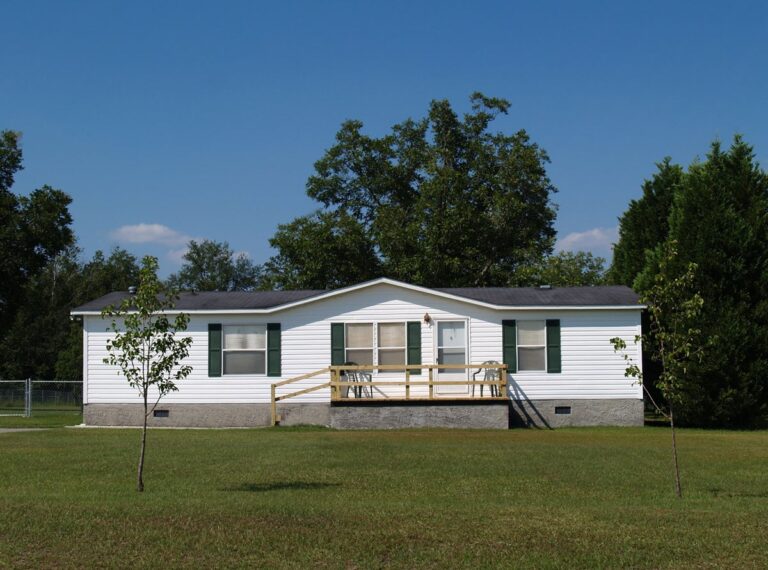

There are several reasons a prospective homebuyer may consider purchasing a mobile home instead of a traditional, stick-built home. Mobile homes are portable, making them easy to relocate to a different city or state, and they are considerably less expensive, even when adding in the cost of the land on which they sit.
Home ownership comes with a slew of financial responsibilities, not the least of which involves the upfront expenses required for purchasing one.
The process of buying a mobile home without cash differs from that of a conventional residential property. While there are several financing options for traditional home purchases, individuals seeking to buy a mobile home have fewer solutions to choose from.
Fortunately, specialized lenders and governmental programs are readily available to those who want to make mobile homeownership a reality. Here is what you need to know before deciding to purchase a mobile home with a loan.
Mobile Home vs. Manufactured Home
First, it is important to understand the difference between a mobile home and a manufactured home. A mobile home is technically defined as a movable dwelling built before June 15, 1976, while a manufactured home is a similar structure built after that date that meets stringent U.S. HUD standards for quality, durability, and design.
Purchasing a mobile home is riskier than a manufactured home due to the lack of regulation regarding the safety of the home’s construction. Lenders may be less apt to help an individual finance a mobile home without a significant down payment or a high interest rate.
Manufactured homes, on the other hand, are eligible for numerous home loans through various financial institutions. For the most part, new and used modular homes can be financed similarly to manufactured homes. Let’s look at ways to buy modern mobile homes (manufactured homes) and older mobile homes using loans.
Types of Mobile and Manufactured Home Loans
Chattel Mortgage Loan for Manufactured Homes
Many manufactured homeowners lease the land upon which the home is located, meaning the property is not permanently attached to the ground. This benefits homeowners who want more mobility and flexibility in location, but it creates some challenges with finding the right financing.
Chattel loans are designed for this exact purpose, offering financing to qualified borrowers for the home without the land included. Chattel mortgage loans are technically personal property loans, not real estate loans, which means the loan amounts available are smaller than those for real property. However, the home is still used as collateral.
With a chattel loan, the lender provides long-term financing for the home only, typically 20-25 years, with interest rates between 1 and 2% higher than conventional mortgage loans. Chattel loans also offer fixed interest rates, so repayment is predictable.
Another positive feature of a chattel loan is that borrowers may pay less in closing costs and processing fees than with a traditional home mortgage loan, depending on the total loan amount needed to buy the modular or manufactured home.
Conventional Mortgage Loans for Manufactured Homes
Most lenders will offer you a specialized mortgage through Fannie Mae or Freddie Mac to buy a manufactured or modular home that is attached to land. With a decent down payment and credit score, you should be able to obtain the same terms as with a traditional single-family residence, as long as it meets some common specifications.
You can expect to put at least 3-5% down and receive a repayment term of up to 30 years. However, the lender may require a higher down payment and a shorter repayment period depending on your situation. Both fixed-rate and adjustable-rate mortgages (ARMs) are available with conventional loans.
FHA Mortgage Loans for Manufactured Homes
Another option for financing a manufactured home purchase is an FHA loan. Like standard FHA mortgage loans, the federal government insures the lender against loss if a homeowner defaults on repayment, creating a less risky scenario for the lender and the borrower.
Through the Federal Housing Administration (FHA), there are two loan programs for manufactured homes built in compliance with the updated building codes for manufactured homes: Title I and Title II loans.
– Title I FHA Loan
Title I FHA loans are generally available to homebuyers who plan to purchase a manufactured home but lease or rent the land where it sits, such as in a mobile home park. Lease agreements for the land must also meet certain FHA criteria to qualify.
Down payments can be as low as 5%, but the amount you will pay depends on your credit score and credit history. Interest rates are fixed for this type of loan, and the repayment period can only extend up to 20 years.
There are also programs for purchasing a manufactured home along with a vacant lot. However, the lower loan maximums with Title I loans make it difficult to use for the entire combo package.
– Title II FHA Loan
Title II FHA loans are offered to qualified homebuyers purchasing a manufactured home that is permanently attached to the land where it sits. Borrowers must have a relatively strong credit score to qualify, although it does not have to be perfect, and down payments as low as 3.5% are available.
FHA Title II loans require mortgage insurance premiums (MIP), which increase the borrower’s total monthly payment. However, loan terms can be extended to 30 years. Interest rates on these loans can be fixed or adjustable-rate mortgages.
Mobile homes do not qualify for FHA Title II loans, but both manufactured and modular homes do.
VA Mortgage Loans for Manufactured Homes
Certified VA home loan lenders offer financing for manufactured homes with repayment terms of up to 25 years and no down payment requirement for qualified borrowers. VA loan interest rates can be fixed or adjustable, and credit requirements and down payment amounts may be less than with other financing options.
To qualify for a VA Loan, the home must meet specific criteria:
- Meeting all building codes and zoning requirements.
- Conforming to the minimum property guidelines through the VA.
- Is or will be permanently affixed to the land it sits on.
- Be classified as real property and taxed at the local level.
If you have served in the military or the National Guard, have been a reservist, or are the surviving spouse of a veteran, you may be eligible for a VA home loan to help purchase a manufactured or modular home.
USDA Mortgage Loans for Manufactured Homes
The U.S. Department of Agriculture (USDA) offers home financing options for manufactured homes to borrowers in many rural areas and some suburban areas across the United States.
Through the Combination Construction-To-Permanent Loan Program, Single-family homebuyers can also receive a no-money-down loan. The USDA will help lenders finance land costs, site development, closing costs, and installation and setup costs for the home.
USDA loans are a great financing option for potential manufactured home buyers. However, the manufactured or modular home must meet some basic requirements, and the final location must be in an approved area.
Use Home Equity to Buy a Mobile Home
For current homeowners, using the equity in their primary residence to purchase a mobile home and buy the land it will be attached to may be an option. Home equity loans, lines of credit, and cash-out refinance loans offer an affordable way to borrow against accumulated home equity without having to go through the rigorous requirements of securing a new home purchase loan.
Home equity loans and line-of-credit products are only available up to certain amounts and depend on the amount of equity in the primary residence used as collateral. The bank that secures a home equity loan or line of credit will likely put a lien against the original property should the borrower default, so it is necessary to read the terms and conditions beforehand.
Interest rates and terms on home equity products vary and are primarily based on the credit history and score of borrowers.
Get a Personal Loan to Buy a Mobile Home
In some cases, a mobile home must be secured to a permanent foundation for a lender to feel comfortable offering financing for the purchase. If a homeowner has no desire to affix their new home to the ground, and one of the other options doesn’t make sense, then a personal loan may be the next best choice for funding the purchase.
A personal loan does not have stringent geographical or structural restrictions like a mortgage or home equity loan, as it is designed to be a financing tool that does not require collateral.
However, because nothing backs the loan other than your word, the lender bears more risk for lending the money. For that increased risk, borrowers pay higher interest rates and have shorter repayment terms with personal loans.
Where to Find Manufactured, Modular, Mobile Home Financing
Although options for financing a mobile home purchase are limited when compared to conventional stick-built homes, opportunities still exist for homebuyers.
You may be able to find the right loan for your home purchase through the manufacturer of the home, the dealer, a specialty lender, your bank or credit union, an online lender, or a local mortgage broker.
Final Thoughts on Financing a Mobile Home
Owning a mobile home offers a level of freedom not easily found with a conventional single-family home, but there are fewer options for financing the purchase of one. Determine whether the home is considered a mobile, manufactured, or modular structure, then evaluate your lending options carefully.
As with any other home purchase, you will need to have a healthy credit score, verifiable income, and documents showing your assets, such as bank accounts or investment account statements, to qualify. Some loans require a down payment, while others do not.
Selecting the loan type that best fits your circumstances requires some due diligence on your part. Be sure to review the terms and conditions of your loan, including the interest rate and APR, repayment period, and other costs associated with getting the loan.
Finally, it’s good to know that mobile home equity will not accrue as fast as it typically does with stick-built homes. Just something to keep in mind when considering property investment and planning for the future. Mobile, manufactured, and modular homes on land also owned by the homeowner and taxed as a single entity will better maintain their value or increase it over time.